
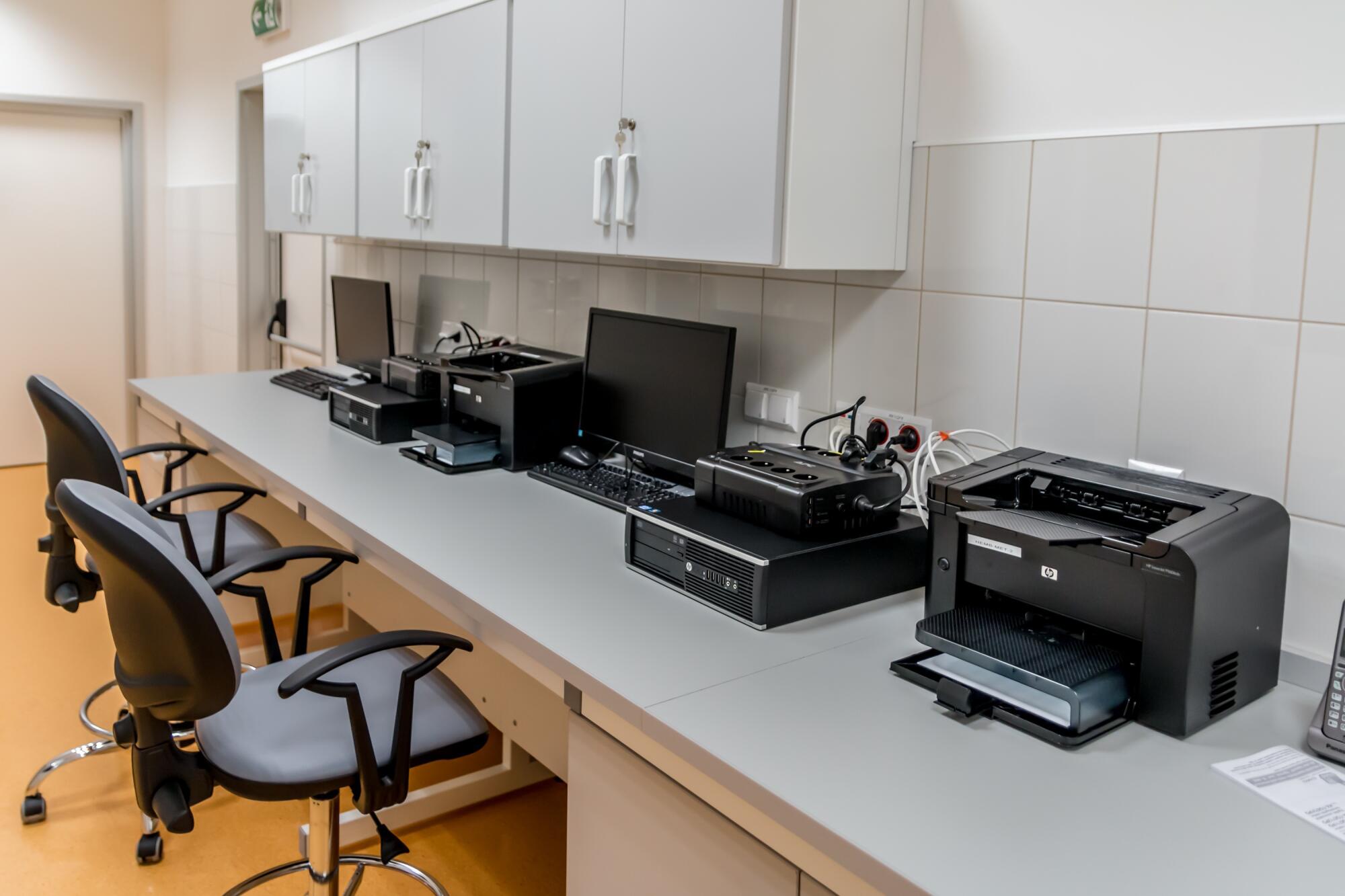
Leasing tech helps growing Black-owned businesses avoid high upfront costs by spreading payments over time while ensuring access to the latest technology. It also supports better cash flow and makes it easier to scale as your business grows. At the same time, it reduces maintenance work, offers tax benefits, and keeps systems secure through regular upgrades.
Is your business ready to grow but held back by the cost and risk of buying new technology? Many teams struggle to balance growth with tight budgets, and leasing offers a way to move forward without that pressure.
Leasing aligns technology with business needs as they change. It also creates a structure where innovation and cost control can work together.
What Is a Tech Lease?
A tech lease is an agreement where a business pays to use equipment for a fixed term while the provider keeps ownership and often handles support. Many modern providers offer HP printer service packages that cover essentials like:
- Laptops
- Desktop computers
- Server systems
- Networking gear, such as routers and switches
- Office printers
- Copiers
The lease agreement sets clear rules on:
- How you pay
- What support you get
- When you can upgrade
- What happens when the lease ends
What Happens at the End of a Lease Deal?
Most tech lease agreements run for about two to five years, depending on the equipment and provider. At the end of that term, you usually have these options:
- Return the hardware
- Renew the lease
- Buy the tech
Returning suits businesses that want newer systems with:
- Better speed
- Updated features
- Improved security
Renewing the lease makes sense when the current setup still meets your needs without issues. Buying makes sense when the buyout price is low compared to the value you’ll still get from the hardware.
Key Benefits of Leasing Technology for Growing Companies
Scaling businesses need the latest tech but often lack the cash to buy it upfront, which can slow business growth. Leasing tech provides a solution and offers the following key advantages:
Lower Upfront Costs
When evaluating leasing vs buying tech, the initial investment is often the deciding factor. Instead of committing a large sum to purchase equipment, leasing lets you bring in the technology you need through predictable monthly payments.
Smaller monthly costs are easier to manage because they fit alongside other needs like paying staff, rent, or supplies without putting pressure on your cash flow. You can then redirect the freed-up capital into growth needs like hiring or marketing.
Easier Access to the Latest Technology
Technology advances so fast that a core part of many growing business strategies is acquiring new tools to replace older systems. When your lease ends, you can replace old devices with newer models without the stress of selling used equipment or losing value.
Updated tools improve how your team performs because they handle tasks faster and reduce errors that slow progress. Newer systems also help you meet current industry standards and keep your business competitive.
Improved Cash Flow Management
Fixed monthly lease payments make budgeting easier since you know your tech costs in advance. This approach to smart office spending also helps protect your working capital. Keeping more cash in the business means you have funds ready for daily expenses, expansion plans, or unexpected costs.
Greater Flexibility as You Grow
Business needs shift as it grows, enters new markets, or pivots, and your technology must keep up. You can experience the full benefits of leasing tech by adjusting your hardware setup as your operations change. Leasing gives you the ability to adjust your setup by:
- Adding equipment
- Upgrading
- Downgrading
Reduced Maintenance and Support Burden
One of the primary benefits of leasing tech is that agreements often include support services, making it easier to fix equipment when issues arise. Relying on your own team for maintenance and support forces them to split focus between business goals and technical problems, affecting output. External support teams resolve issues with minimal disruption and bring the specialized expertise needed to fix problems quickly.
Potential Tax Advantages
Lease payments may count as business expenses, which can reduce taxable income in some cases. For a growing company, these cost-effective tech solutions can make expenses easier to manage than buying equipment and tracking depreciation over several years. Tax rules vary by lease type and location, so review the agreement with a qualified tax adviser before claiming any benefit.
Enhanced Security and Compliance
Older hardware often loses support and becomes easier to exploit. Leasing keeps your systems on a regular refresh cycle, so you stay aligned with:
- Vendor security patches
- Supported operating systems
- Data protection regulations
- Modern encryption requirements
Frequently Asked Questions
What Are the Pitfalls of Leasing?
Leasing leaves you without ownership at the end of the term, though you gain access to newer equipment without having to deal with the disposal of outdated systems. Another limitation is that the total cost of leasing can exceed the buying cost over time, though that extra expense often covers support.
Why Shouldn’t You Break a Lease?
Ending a tech lease early leads to fees that can cost as much as the remaining term. Those charges reduce the funds available for growth and daily business costs.
The lease contract sets rules on how and when you can end the agreement. Ensure you fully review the terms before signing so you avoid penalties tied to an early exit.
What Is the Average Lifespan of a Laptop?
Most laptops last about three to five years before performance drops. The timeline aligns with many lease terms, which makes it easier to upgrade before devices slow down. The result is high employee productivity due to reduced equipment downtime.
Make Leasing Tech Part of Your Growth Strategy
Leasing tech helps growing Black-owned businesses access modern tools without high upfront costs. It further supports better cash flow, allows easy upgrades, reduces support strain, and keeps systems aligned with current standards. These benefits make it easier to grow while managing costs and maintaining performance.
Did you find this guide helpful? If so, explore more articles on this site for practical tips on improving your business operations.