
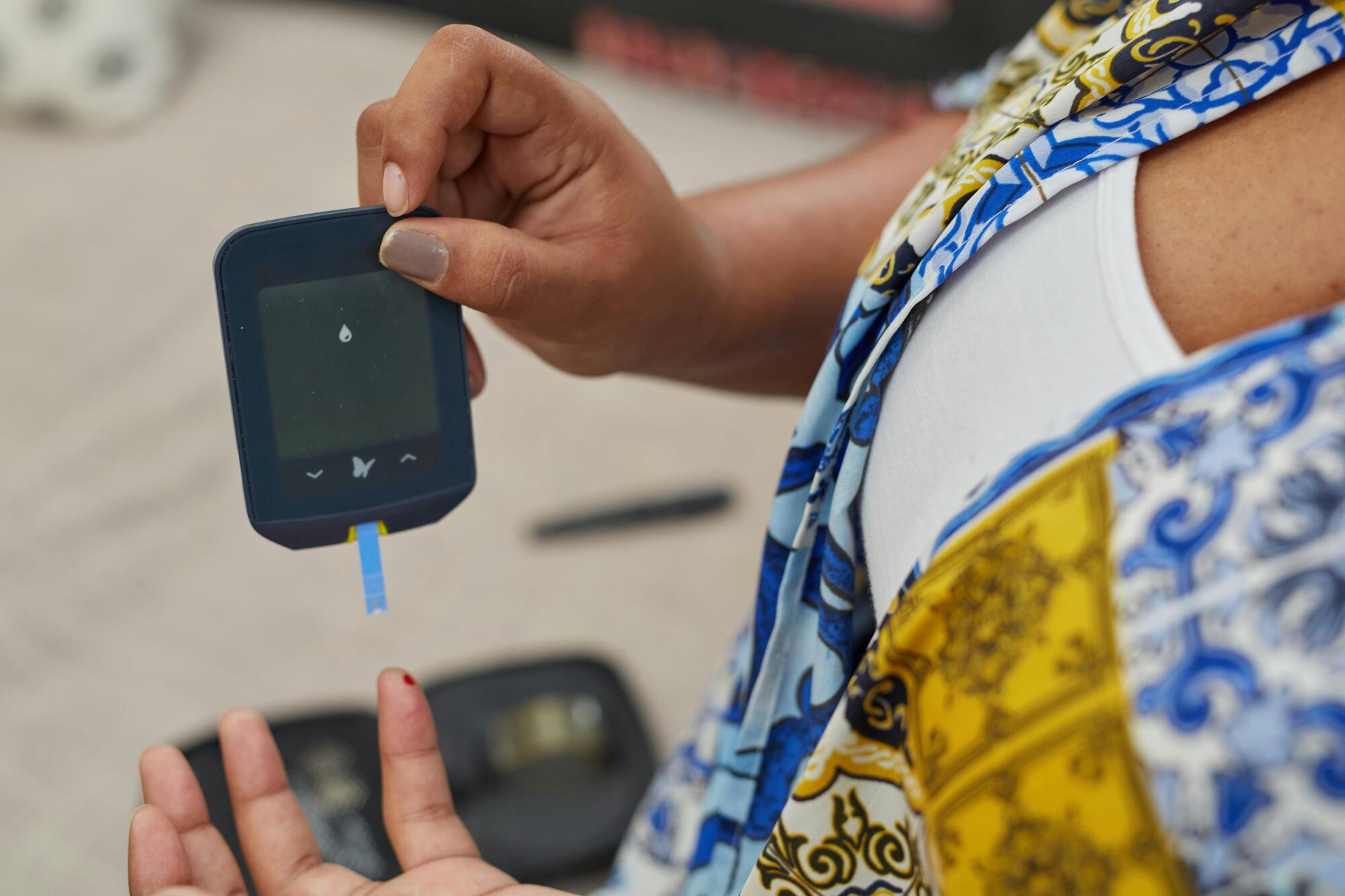
A lot of Black Americans deal with metabolic issues like high blood sugar, diabetes, obesity, and high blood pressure. Sure, genetics and limited access to healthy food are parts of the problem, especially in underserved neighborhoods. But there’s more to it. Systemic racism and medical bias just make things worse.
What makes matters even more complicated is how these conditions often pile up. Having just one of these problems increases the risk of getting another. In 2024, a JAMA Network study looked at 322 Black teenagers and found racial bias was already taking a toll, putting them at greater risk for metabolic syndrome.
These kids developed more sleep problems and inflammation after these incidents. These stats show that associated metabolic diseases aren’t reserved for those of Big Mama’s age.
However, predictive medical screenings, knowing family history, and lifestyle adjustments are key to helping Black Americans with intervention and return to ancestral food roots.
What Common Metabolic Diseases Affect Black Americans?
According to a 2018 study by Gaillard for the Frontiers in Endocrinology, Black Americans have a lower rate of metabolic syndrome (MetS) compared to white people. Yet, they face much higher levels of what many Black Americans colloquially call “the sugar,” also known as Type 2 diabetes, along with fatal cardiovascular issues.
Among those cardiovascular concerns is high blood pressure, a disease that 58% of Black adults have, according to the American Heart Association. Black Americans also take less medication for this issue than other groups. It doesn’t just affect the heart and arteries but also can cause kidney disease.
What Is the Reason for These Conditions?
Diabetes may run in the family, or job pressure may cause elevated blood pressure. Not having fresh groceries nearby and a lingering distrust of the medical system doesn’t help.
Empty Food Zones
“Food deserts,” which are neighborhoods without grocery stores or farmers’ markets to supply affordable produce, are a direct product of segregation and redlining. Plus, a lack of parks or bike lanes for easy exercise and mental health makes health issues worse.
Health Care Biases
Biased medical care often ignores Black pain. In the history of medical apartheid, Black Americans have been experimented on without consent, such as the infamous Tuskegee syphilis experiment, which went on for decades.
A systematic problem that almost led to Serena losing her life in childbirth, while Olympian Tori Bowie did lose hers, is one of many incidents that have left many Black Americans distrustful of the traditional American medical system. Many end up not seeing someone for symptoms until it’s too late, if at all.
How Can We Fight Metabolic Syndrome?
Figure out your genetic profile through honest conversations with family and quick but informative predictive testing. Find businesses from farms to food co-ops that support their community by providing fresh crops and showing others how to grow them.
Grow Crops or Support Those Who Do
Having access to grocery stores has its own problems due to insanely rising costs and uncertainty with fuel transport. Those who have the space can start a garden with easy-to-grow crops native to their USDA Hardiness Zone.
Some Black farmers are taking a stand to solve the problems, such as Metro Atlanta Urban Farm, which fed 25,000 families during the pandemic, according to Word In Black.
Other Black farmers who bring fresh food to their local community include:
- Feed Our Soul
- Soilful
- Soul Fire Farm
Research Your Genetics and Health Profile
Like a beloved recipe or Roots-inspired oral history, Black American families can pass down family health-related history so that close relatives know what genetics may predispose them to.
A Choose Health comprehensive metabolic panel can help you see what metabolic markers you have on your health profile. One finger-prick blood test can measure your:
- Lipids
- Inflammation
- Visceral fat
- Vitamin D
- Blood sugar
- Insulin resistance
- AST liver enzymes
- Cholesterol
Why Is Weight Such a Hot Topic?
A high BMI can set the stage for the onset of several metabolic problems concurrently. When it comes to obesity and obesity-related diseases, type 2 diabetes tops the list since insulin resistance is linked to being overweight.
Too much weight creates pressure on the heart, making it work harder to pump blood, resulting in hypertension. However, even losing a small amount of weight can make a difference and help reverse these disorders.
Frequently Asked Questions
What Disease Mainly Affects African Americans?
Sickle cell disease is the most common inherited disorder in the United States, and it primarily affects Black Americans. According to the CDC, of the 100,000 people who have it, 90% are non-Hispanic Black Americans.
The disease also comes with a 20-year shorter life expectancy.
When someone has sickle cell disease, the red blood cells can become rigid and deformed into a sickle shape. As those cells die early, they can become lodged in small blood vessels, restricting blood flow and leading to other problems.
It’s not considered a metabolic disorder, but it can cause metabolic alterations and endocrine issues. A patient may experience:
- Acute and chronic pain
- Anemia
- Infections
- Stroke
- Kidney or heart disease
Some notable celebrities who have lived with this ailment include TLC’s Tionne “T-Boz” Watkins and Miles Davis. Founding member of the Temptations, Paul Williams, sang and danced with severe pain from this disease until his declining health forced him to retire in 1971, and may have played a role in his possible suicide in 1973.
What Do Doctors Call a Silent Killer?
Medical professionals often refer to high blood pressure as a silent killer. That’s because this disorder often goes undetected for a long period of time and can be fatal.
Most people who are living with high blood pressure may not exhibit any symptoms until a related illness, such as a heart attack or stroke, happens. Regular blood pressure testing is the only way to determine for sure if you have it.
Black American Metabolic Health Is a Concern
Metabolic diseases are hurting Black America’s health landscape, as unmanaged hypertension and diabetes can impact quality of life and overall expectancy.
As more Black Americans take charge of their health with better diets, more activity, and learning about their family genetics, there’s hope to avoid being another family member with “the sugar” or having a life cut short in mid-years due to stroke.
Understand what you need for optimum health by reading more of our health-based content.